Blog vs Podcast: Choosing the Right Format

The digital world is huge. People, from solo creators to big brands, use it to show who they are, introduce their business, and share the services they offer. Spreading your ideas and connecting with people who care – that’s what content marketing is about.
Blog vs. podcast, which one’s actually better? Both variants give a way to express yourself, but the approach is very different. A blog focuses on words and structure, while a podcast works through the voice, tone, and vibe you create.
Check out this honest guide on what each format does, how it works, and which one best matches your style. No magic buttons, just real talk.
What Is a Blog?
A blog is a website or a single page on a site where the author posts content on a regular basis. Posts can be reviews, tips, recipes, stories, analysis, long articles, how-to guides – anything the author wants to share online.
You’ve probably read Cup of Jo by Joanna Goddard. It’s a warm, lively blog about pretty much everything, and each post gets over 200 comments!
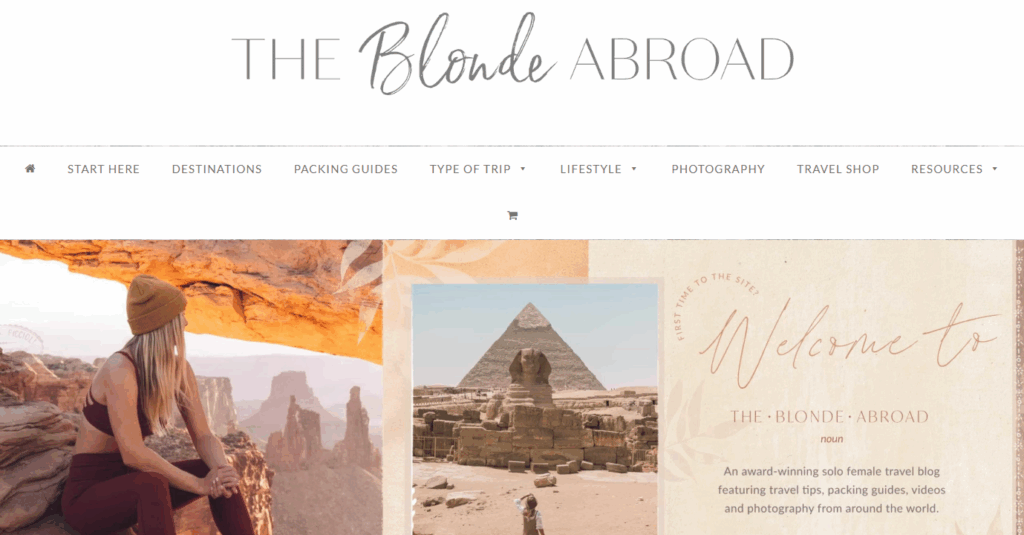
Other popular examples are The Blonde Abroad, which focuses on travel. Humans of New York is another, known for its compelling portraits and personal stories.
So, if you have something to say, put it in writing. You can back it up with eye-catching images and interact with people in the comments. Blogs also offer links to a person’s or company’s social media accounts, where the conversation can continue with a larger audience.
Blog Advantages
Blogging remains a powerful way to reach audiences and share valuable information. According to the Content Marketing Institute, about 80% of online users read blogs. This means that good blog posts can help more people notice you and start trusting your brand.
Here are the main advantages:
- Simple Google visibility: People search for things like “best places to visit in Italy”. Optimized blog posts are the ones that show up and provide trustworthy answers.
- Flexible posting schedule: You can post daily, weekly, or whenever you are ready. No pressure from the format.
- Long-lasting content value: A blog post can generate traffic for months or even years. You can update the information, add new examples, and the post will continue to work for you.
- Open content format: Photos, screenshots, infographics, links, video – everything fits naturally inside a blog post.
Blog Disadvantages
Blogging may seem as simple as sipping coffee and typing whatever comes to mind. But in real life, it takes effort and rhythm.
Here’s where things get tricky:
- Writing takes real effort: Creating a post also demands attention to how ideas connect so that readers can follow the message easily. Without flow, rhythm, and intention, readers leave quickly.
- Consistency requires energy: When the blog stays quiet, the audience drifts away, so it needs regular posting and development.
- Growth moves slowly: Building an audience happens little by little, as readers show up step by step, so it takes more than two days.
- Your writing style affects the outcome: Your writing style shapes how readers respond. If your post sounds like countless others online, people forget it. But when you write with clarity and energy, your blog becomes memorable.
Is Blogging Outdated?
No, blogging is still highly relevant. Blog posts continue to engage readers because they provide clear explanations, useful details, and well-organized information. Also, a blog is perfect if you offer any services, since articles explain how things work and show your expertise.
When you write, no one sees your work yet, so you can think freely and organize your ideas. This way, you can present your ideas clearly and in the structure that best supports your message.
What Is a Podcast?
A podcast is an audio show that usually focuses on a specific topic, but some podcasts may cover multiple subjects. You can listen to it on your way to work, at the gym, cooking, or just sitting at home.
You share your thoughts with your voice, tone, and pauses.
Podcasts are great because it is like the storyteller talks directly to you, sharing tips on travel, education, or other topics of interest.
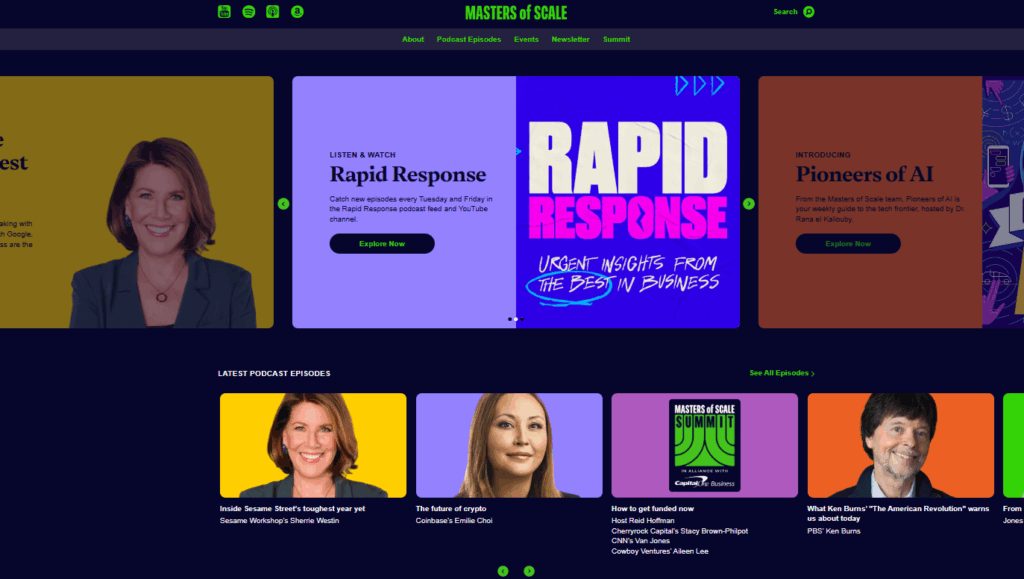
For business insights, popular podcasts include From Scratch, Masters of Scale with Reid Hoffman, and How I Built This. These shows explore how entrepreneurs started their companies and share practical lessons along the way.
Podcast Advantages
Podcasts have a lot of perks, especially if you want to connect with people in a more personal way. Some main advantages include:
- Natural connection: People remember your voice and tone.
- Easy to listen to: You don’t need to spend extra time just on content — you can listen while doing other things.
- Perfect for interviews and conversations: Guests and hosts can talk freely and share real stories.
- Creates a friendly atmosphere: Listeners feel like they are part of the conversation.
Podcast Disadvantages
Despite the benefits, podcasting comes with real challenges that creators should consider if they want to grow their brand:
- Requires Equipment and skills: You need a microphone, basic recording skills, and editing to get good sound.
- Limited discoverability: Searching audio is not as easy or accurate as searching text.
- Inconsistent posting can hurt engagement: If you miss episodes, your audience can lose interest fast.
- Takes a lot of time: Podcasting uses energy and effort, which slows down the creation of other content for your brand.
Differences Between Blogs and Podcasts
Now it’s time to figure out which format fits your goals. Here’s what is the difference between a blog and a podcast:
| Characteristic | Blog | Podcast |
| Format | Text | Audio |
| How it communicates | Ideas, logic, structure | Voice, feelings, atmosphere |
| How it’s used | Reading | Listening while doing other things |
| Connection style | Through thinking and ideas | Through voice and personality |
| Discoverability | Easy, through a Google search | Harder, need podcast apps |
| Effort | Writing and research | Recording, editing, and equipment |
| Best for | Explaining, teaching, and showing your work | Telling stories, interviews, and building your brand |
| Monetization | Ads, affiliate links, sponsored posts, products | Sponsors, memberships, merchandise, extra content |
| Audience | Grows steadily through search and sharing | It can grow fast, but harder to find at first |
Select a blog if you want to attract new clients through search and show your expertise. Meanwhile, pick a podcast if you want to build a loyal audience and strengthen your brand with your voice.
How To Monetize Blogs and Podcasts
People create a blog or podcast for many reasons. But they can also help your business grow. So, it’s time to talk about money, because the financial strategy can play a decisive role.
Which Brings More Money?
Blogs usually bring income faster, because text content has long supported advertising, affiliate programs, and sponsored posts. As a result, you can start monetizing the site within the first months of growing traffic.
Podcasts are also growing, but income comes more slowly. Sponsorships, listener memberships, and merchandise work only with a loyal audience. Many creators report that podcasts tend to bring more income over time, especially in business and personal development.
In short, blogs produce quicker revenue, while podcasts build stronger long-term earning potential through audience loyalty.
Blog Monetization
You can turn a blog into a source of income in several ways:
- Advertising in the form of banners or partner inserts
- Affiliate programs where readers make purchases using your promo code
- Your own products, such as courses, guidebooks, or e-books
- Collaborations with brands, creating sponsored content, and reviews
Podcast Monetization
A podcast can also become a business tool:
- Sponsored integrations
- Paid episodes or bonus content
- Donations, Patreon, and listener support
- Your own merch or products
Final Thoughts
A blog and a podcast serve different purposes. A blog brings clients through search because people type a question into Google, read your article, and then contact you.
A podcast, on the other hand, helps people get to know you personally because they hear your voice. And once they do, they naturally remember how you talk and think.
That difference in how they work affects which format helps your business first. Currently, blogs remain the primary tool for explaining ideas and selling services. Podcasts are growing, yet they’re especially effective when your goal is to build trust and strengthen your brand.
If you need to choose one, start with a blog. Add a podcast later when you’re ready to create a closer connection with your audience.
Frequently Asked Questions
Which one brings faster results for business – a blog or a podcast?
A blog brings clients faster because people find your platform through Google. A podcast typically takes longer but helps build deeper trust in your brand.
Can I run a blog and a podcast at the same time?
Yes. Start with one format to stay consistent, then add the second later.
What if I don’t enjoy writing or speaking?
Choose the format you can manage. If writing feels hard, speak instead. If speaking feels uncomfortable, write. What matters most is doing it consistently, not doing it perfectly.